Home in Central Oregon
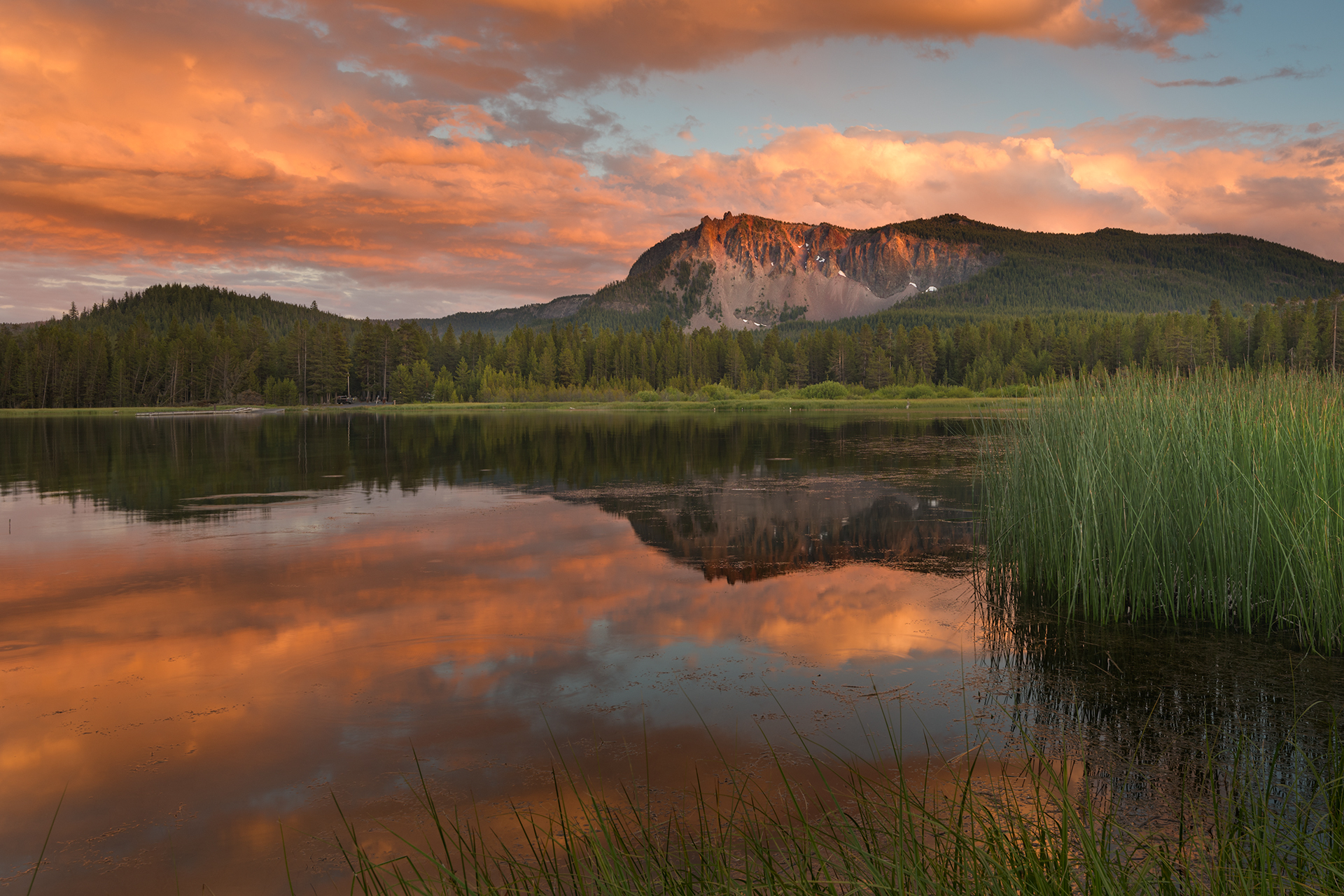
Growing up in Central Oregon, I developed a great appreciation for our local environment. I am fortunate to have always had access to abundant Oregon public lands where I explore, learn, and find inner peace among the chaos of everyday life. My childhood summers looked like canoe camping at different lakes along the Cascade Lakes highway, hiking in the mountains, spending time at the river, and exploring the beautiful outdoors of my home state. Every winter, my sister and I loved to spend time in the snow, sledding when we were young and skiing with friends on the weekends. As a kid, the luxury of enjoying these places that we call home, was something I never imagined going away. But over the years, I’ve come to realize that nature, as vast and wonderful as it is, has threats.
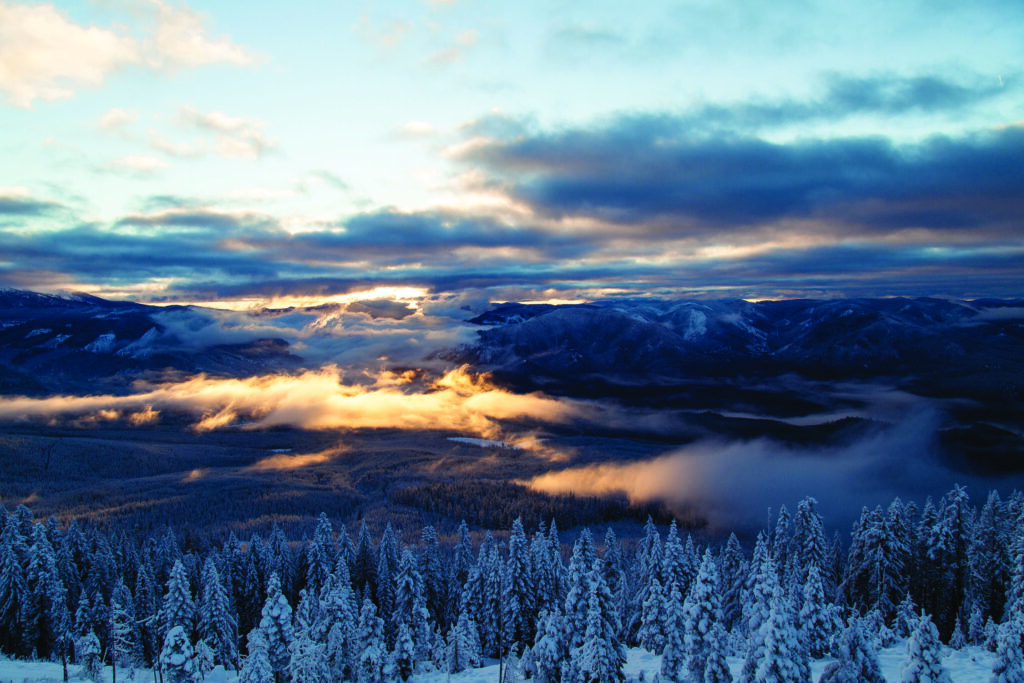
When I was in 4th grade, I began to notice the difference between snowfalls each season. Before then, my sister and I were able to build snow caves and structures with friends on snow days – some of my best memories. As the years passed, snowfall gradually decreased, limiting our days of snowball fights and good ski days. From the back seat as an 8 year old, I would observe the height of snow banks along the highway on our way up to ski at Mt. Bachelor. Vague memories of my view out the window reflect walls of snow taller than my Dad’s Jeep. Those days became far and few between until snow banks taller than 3 feet hardly existed…
My second epiphany was when our family friend’s summer vacation house in Detroit, Oregon burned in the 2020 Labor Day fires. I spent many summer days there and still remember the giddy excitement I felt each time we arrived at that house, eager to play cops and robbers, catch snails, and compete to find the biggest leaf in the surrounding forest. Tragically, we were shocked by the news in 2020 that the house and much of the community had been lost to the raging fire. We had to accept the difficult reality that we would never tell stories around that fire pit and chant songs from our beloved “chanting stump” again.
These collective positive and negative childhood memories have helped me realize the impact that human activities have on the natural world. Experiences like these have influenced my desire to protect and fight for nature and public lands so that generations to come can make memories like I have, exploring and enjoying our home in the great outdoors, which is also home to so much beautiful wildlife.
Being an Advocate
After graduating high school this Spring, I started an internship with Oregon Wild through NatureConnect Central Oregon’s Green Jobs program. This internship has allowed me to take a deeper dive into the work that goes into protecting these important natural places that define Oregon. Co-leading Oregon Wild hikes, attending staff meetings, and working alongside Sami Godlove and Erik Fernandez in the Bend office has expanded my understanding of the behind-the-scenes work of conservation. This opportunity has allowed me to be part of an important statewide movement to educate, inspire, and make measurable progress towards protecting our wild places.
Defending Our Roadless Wildlands
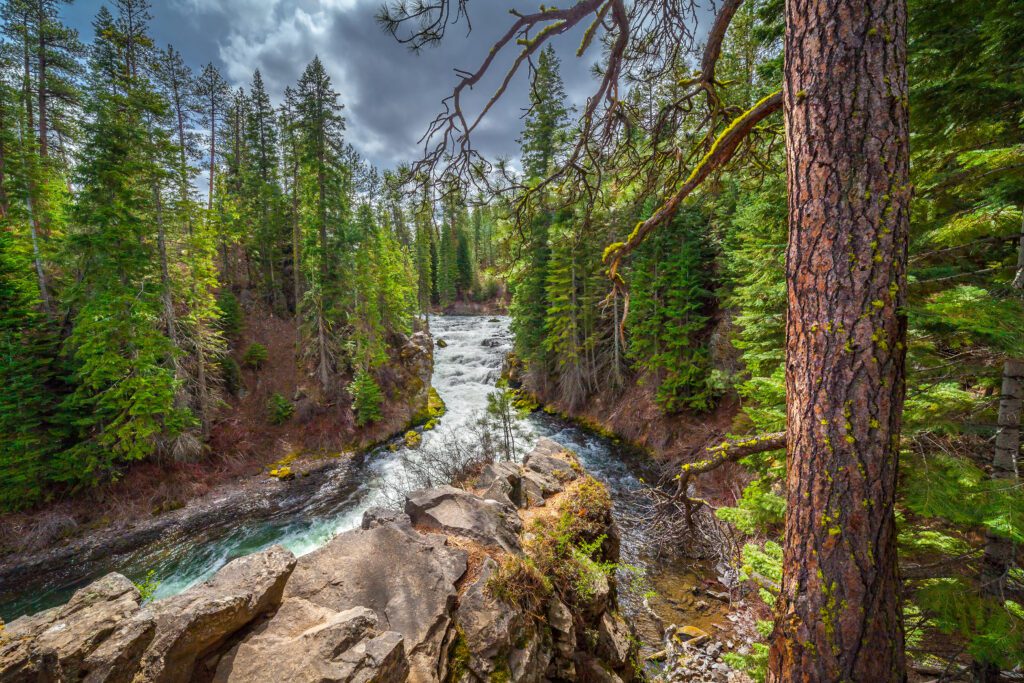
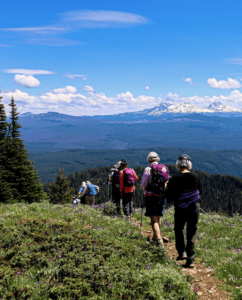
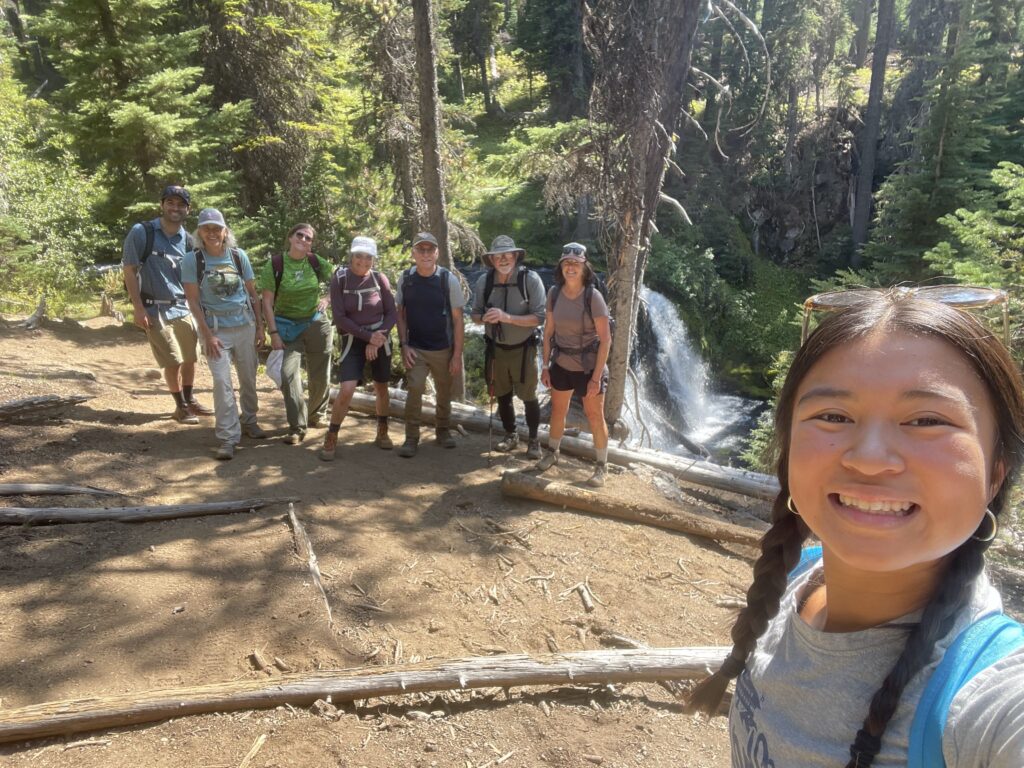
Hiking through the Tumalo Mountain Roadless Area on an Oregon Wild guided hike, I was impressed by the countless tumbling waterfalls and the old-growth forest that surrounded me. This forest, and the water flowing from the creek, provide clean water to the city of Bend, where I live, every day.
The serenity of the wild forest grounded me. Without the distractions of screens, the buzz of motorized vehicles, and the hustle of daily commotion, I felt I could focus and breathe.
This enjoyable activity outside also became a mission-driven and purposeful experience as we were also advocating for the Roadless Rule. Photographing the wild forest around me and talking with the hikers about the importance of protecting it made me feel like I was playing my small part in a vital movement that would have lasting impacts for generations to come. During lunch, we sat along the creek and wrote postcards to the Forest Service asking them to keep these places protected.
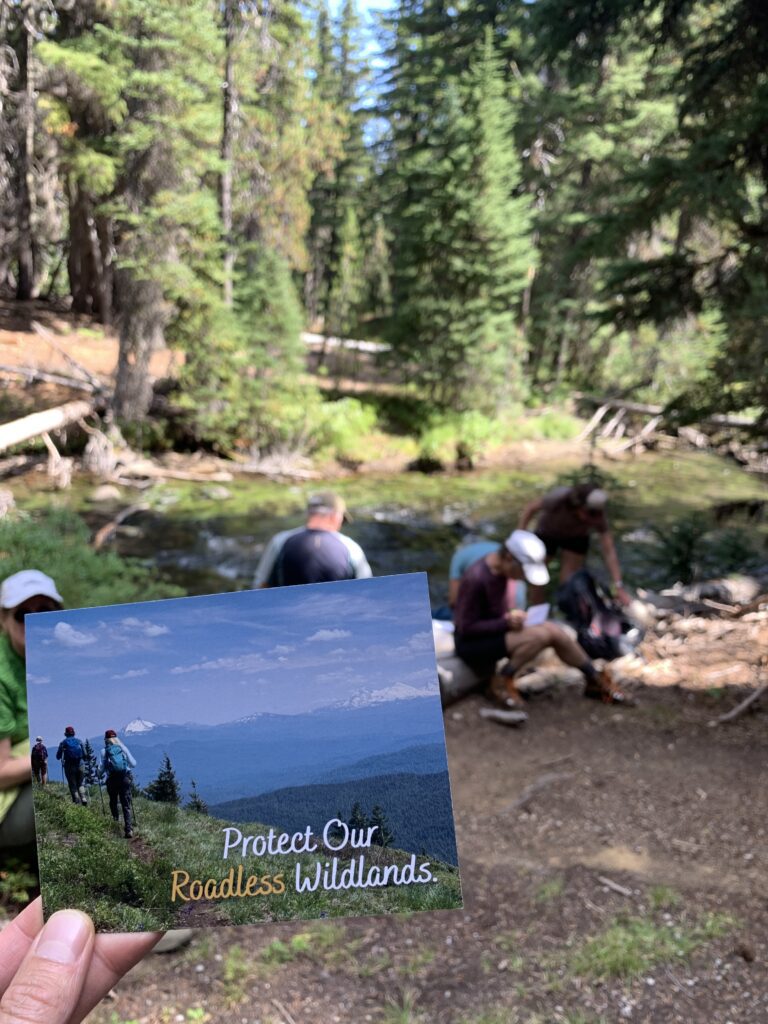
The Roadless Rule has been protecting a total of over 58 million acres of our most wild and intact public land for the past 25 years, including nearly 2 million acres in Oregon. Like the people on our hike, many Oregonians love and appreciate the access we have to outdoor recreation, fresh drinking water, and clean air. Now more than ever, the voices of the American people must be heard to continue to protect these places.
In June 2025, the Trump Administration announced its intent to repeal the Roadless Rule, which would open up these currently protected places to logging, mining, construction, road development, and more harmful activities. Once these areas are impacted, they are damaged for generations to come.
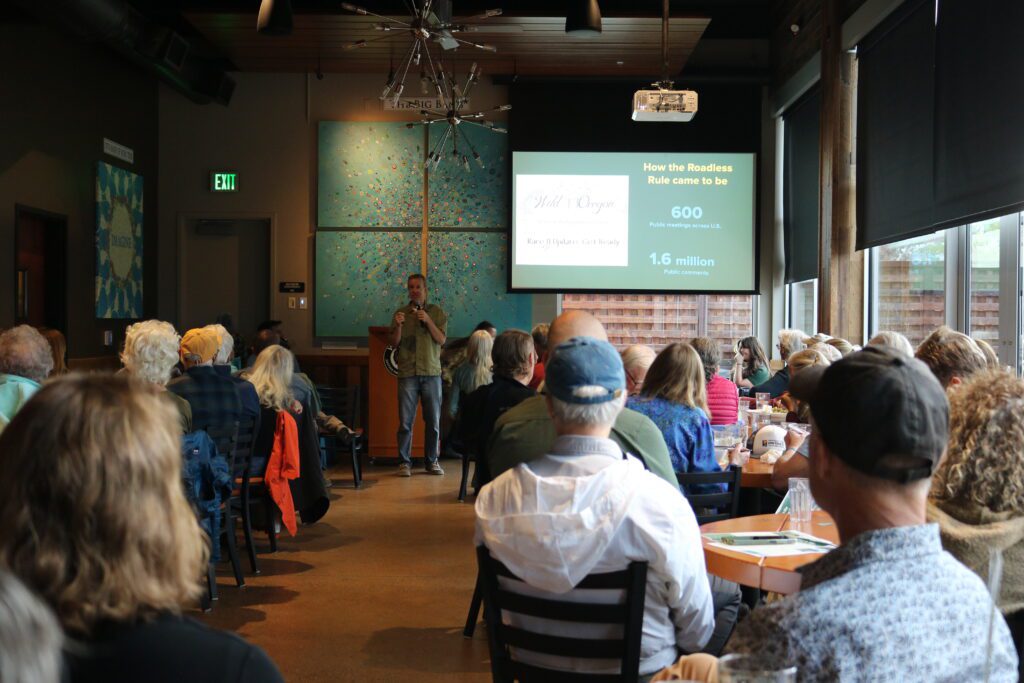
Over a three-week period through September, I worked with Oregon Wild to get as many people from the public as we could to submit a public comment in support of protecting the Roadless Rule. This included work such as hosting comment writing workshops, talking to local media, creating social media content, writing a Letter to the Editor, and supporting educational guided hikes to local Roadless Areas like Tumalo Mountain and Paulina Lake. In the end, thousands of Oregonians, and over 600,000 people nationwide submitted comments, with over 99% of them in support of keeping Roadless Rule protections in place!
Although the first comment period has come to a close, the fight is not done yet. The Roadless Area Conservation Act (RACA) is working its way through Congress and will hopefully be passed soon. Thank you to Senators Ron Wyden and Jeff Merkley, Representatives Andrea Salinas, Maxine Dexter, and Suzanne Bonamici, and my representative, Janelle Bynum, who have all signed on in support of this important piece of legislation. Passing this bill would mean permanent protections for all of our roadless wildlands.
Protecting Oregon’s Wild Rivers
Along with RACA, Oregon Wild is working diligently to pass the River Democracy Act, a piece of legislation that would designate 3,200 miles of currently unprotected rivers and streams around Oregon as National Wild & Scenic Rivers. These vital waterways provide habitat for wildlife, recreational activities that many businesses depend on, and clean drinking water for millions of Oregonians. These streams are also important for our fight against climate change as they naturally sequester and store carbon, and provide cold water refuges for fish and wildlife.
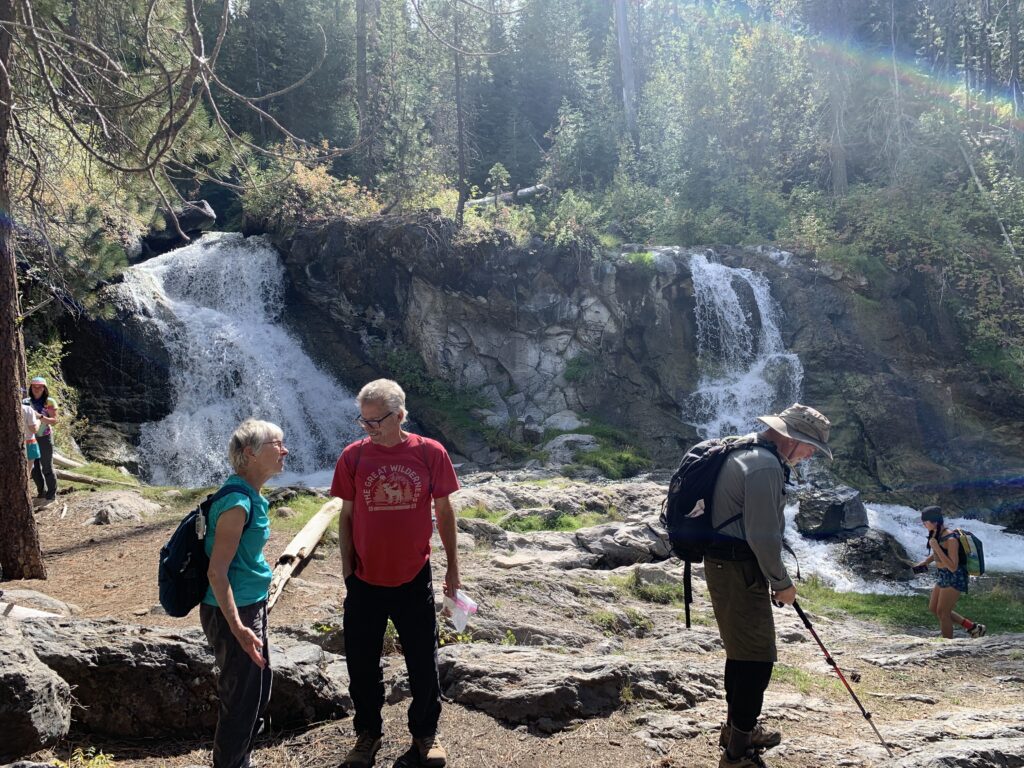
In September, I assisted a second Oregon Wild hike along the Peter Skene Ogden Trail – a 6-mile scenic hike along Paulina Creek, near the Newberry National Volcanic Monument in Central Oregon. For years I had visited Paulina Lake with my family, but never realized that a thriving ecosystem was just beyond the thicket of trees. We had our lunch stop at a scenic waterfall, where I sat along the bank of the creek. I observed the underside of a Matsutake mushroom, with the cool mist from the waterfall on my face and dozens of California Tortoiseshell butterflies flitting around me. It was shocking that such a wonderful natural space, rich and abundant with life, is still unprotected.
The River Democracy Act would also protect other Central Oregon streams such as Tumalo Creek, the Fall River, the headwaters of the Deschutes, and tributaries of the Metolius. Across the state, parts of the McKenzie, Rogue, Clackamas, John Day, and Grande Ronde watersheds are also included in the bill.
How You Can Take Action Too
Every Oregonian who values this land can become a part of this movement. As I learned over my internship, the voice of the public is so vital in public lands management, and your voice can impact the decisions being made for our environment.
You can take action and get involved through organizations such as Oregon Wild. Contacting your members of Congress and writing Letters to the Editor to your local paper can help influence decision-makers. Become a Citizen Co-sponsor of the River Democracy Act today and join the movement to protect our state’s vital waterways for fish and wildlife, clean drinking water, and outdoor recreation opportunities. Tell your representatives to pass the Roadless Area Conservation Act and save our last wild, undeveloped forests from the administration’s attack on the Roadless Rule.
I am one teen with one voice, and there are millions of other Oregonians who have the right to speak up. You matter in the fight to protect our wild places for future generations. Take action today.
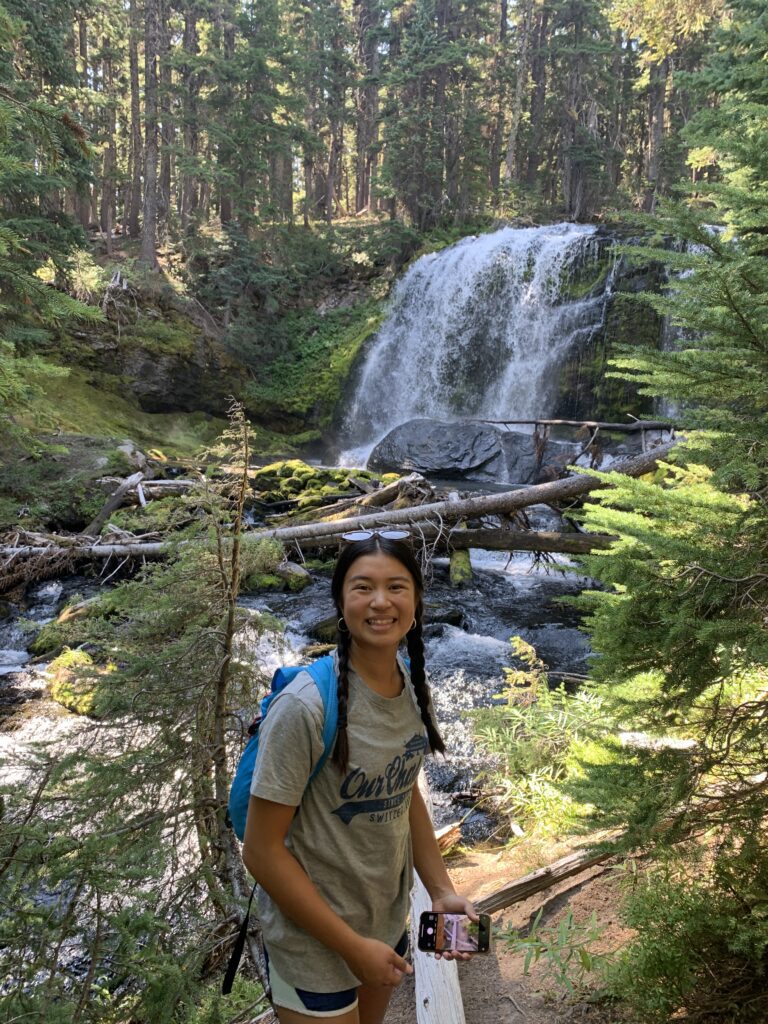
Kyla Guerrero (she/her) is a Wildland Advocacy Intern for Oregon Wild, based in Bend, Oregon. She graduated from Bend Senior High School this Spring and plans to attend the Clark Honors College at the University of Oregon in the Fall 2026.