

Portland, Ore., – This month, the Oregon Department of Fish and Wildlife (ODFW) Commission unanimously approved an update to the State Wildlife Action Plan (SWAP)—a required roadmap for protecting vulnerable species and keeping the state eligible for critical federal funding. The number of species the agency now considers of greatest conservation need has now climbed to over 300. The list of species requiring more data is much higher.
“Oregon is home to some of the most iconic wildlife in the country, from puffins to pika, salmon to sand hill cranes,” said Danielle Moser, Wildlife Program Manager at Oregon Wild. “But our wildlife is facing a very real extinction crisis. Without dedicated funding, Oregon’s conservation plan is just words on paper.”
This week, the Trump administration announced rollbacks to Endangered Species Act protections that will make recovery harder. Coupled with budget cuts and staff reductions at the US Fish and Wildlife Service, the responsibility for wildlife conservation is shifting to states.
“The Trump administration’s attacks on wildlife conservation make clear: the federal government is abandoning its responsibility, and states like Oregon will need to step up,” continued Moser.
A 2023 NatureServe report ranked Oregon fifth in the nation for the percentage of at-risk animals, with more than half of amphibians, one in five reptiles, and roughly one in ten bird species already in decline. The revised SWAP expands the state’s conservation list to include porcupines, Western grebe, California condors, and sea otters. To make the plan actionable and to begin removing species from the list, advocates say Oregon must secure new and sustainable wildlife funding.
Yet, the SWAP currently does not receive any dedicated funding from the state. That’s where the “1% for Wildlife” bill comes in. This landmark bipartisan legislation, which nearly passed the Oregon legislature earlier this year, would dedicate a small increase in the state’s lodging tax to safeguard wildlife and restore habitat. A recent economic analysis found that the tax increase would not deter tourism and could actually boost outdoor recreation spending in Oregon by improving visitor experiences and protecting iconic species and landscapes. The proposal has the support of hunters, anglers, birders, conservationists, and business leaders, and will return in the 2026 short session.
“In this iteration of the SWAP, Oregon didn’t go down in the number of species with greatest conservation needs or even stay the same; we simply went up ,” said Sristi Kamal, Deputy Director for the Western Environmental Law Center. “This is the most direct proof one can have that species decline is a real threat in Oregon and 300+ species are counting on the state to step up to the challenge. The 1% for Wildlife bill is a smart, fair solution that would bring in millions for conservation—paid for by the tourists who come here to see Oregon’s wild landscapes and iconic species.”
Advocates warn that without action, Oregon’s wildlife will continue to decline, hurting not just ecosystems but also rural economies that rely on outdoor recreation and tourism.
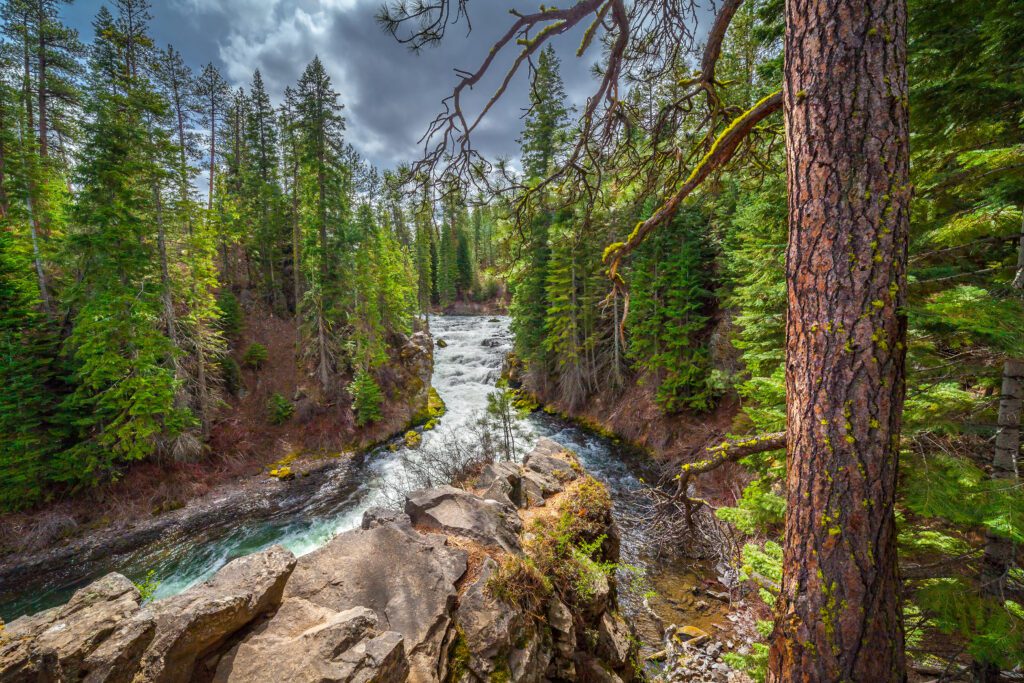
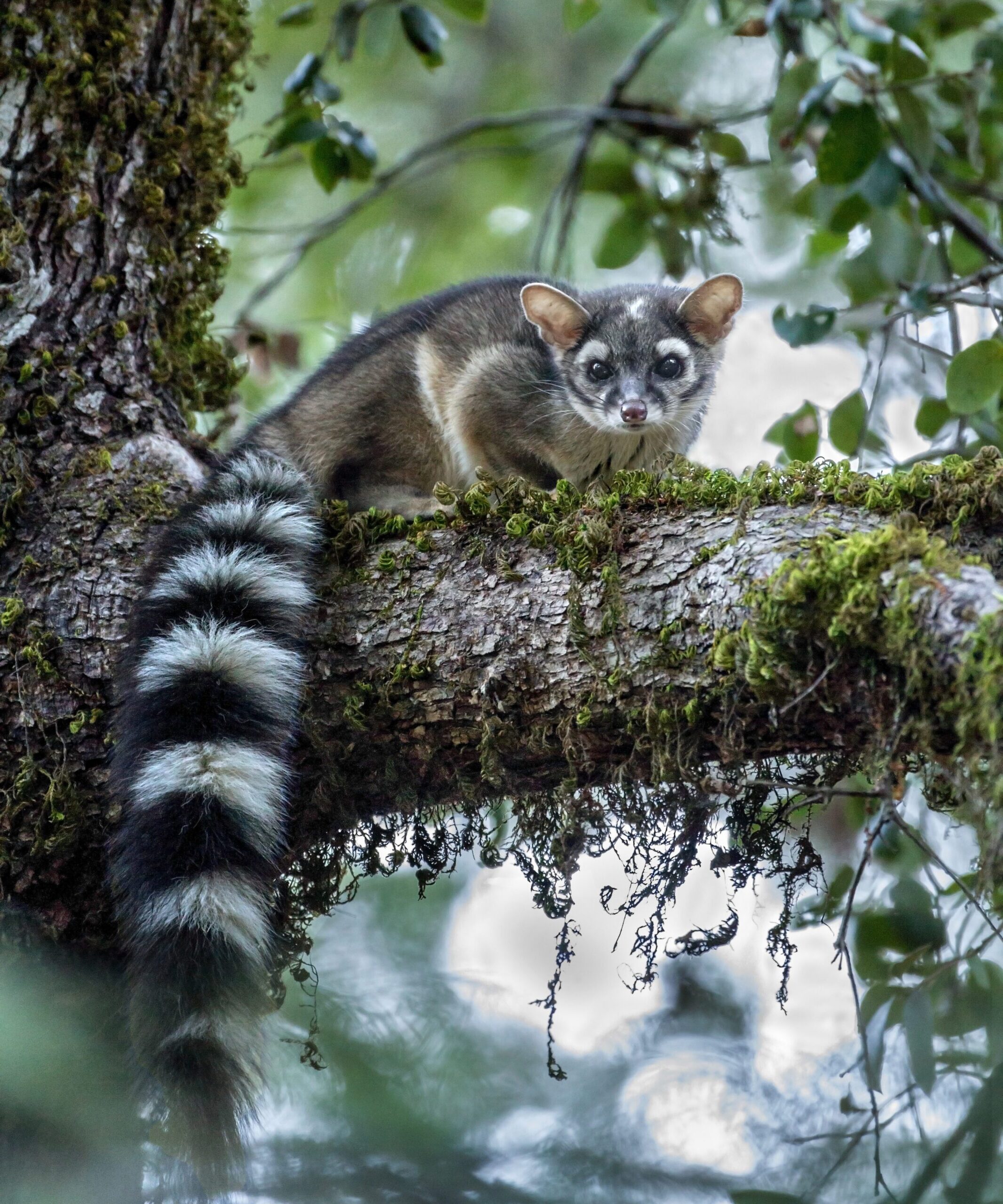
Photo by Drew Watson