
Defending Roadless Wildlands: Oregon’s Wild Heart
Imagine the most intact and functional landscapes in Oregon – places where nature mostly thrives on its own terms. Places where old-growth trees still tower above the land, where elk and other wildlife find vast areas of pristine, high-quality habitat. Places where cold, clean streams still run free and provide a home for rainbow trout and other native fish. Places that offer solitude and support lifeways core to our humanity.
These kinds of wild, roadless lands became increasingly rare over the past century in Oregon. With over half of our National Forests already open to mining, logging, and other destructive development, we owe it to future generations to save what’s left.
The Roadless Rule helped do just that, and for the past 25 years it has endured multiple legal challenges and maintained strong public support. This isn’t just an Oregon issue. Nationwide, nearly 60 million acres of public land have been protected by the Roadless Rule, from the landscapes in the Tongass National Forest in Alaska to the Ocala National Forest in Florida. Now, the Trump administration is working to repeal these important protections, potentially opening up our last, best wild places to road building, logging, and development. We can’t let them win.
Take Action to Defend Roadless Wildlands
The comment period has closed, but you can still help defend our last wild places by urging your members of Congress to support the Roadless Area Conservation Act.
-
What is the Roadless Rule and what does it do?
How it was developed
In the 1970s, the US Forest Service undertook the process of identifying (i.e. “inventorying”) large (mostly over 5000 acres in size), undeveloped areas in National Forests. Culminating in a 1979 report called RARE II, conservationists felt the inventory fell far short of both identifying all the important wild lands and offering any protection for them.
Subsequent Wilderness legislation permanently protected some of Oregon’s inventoried roadless areas, but nearly 2 million more acres remain unprotected. In the late 1990s, public demand for wild land protections led the Clinton administration to direct the Forest Service to enact a rule to protect inventoried roadless areas. After 18 months of review and analysis and an extensive public rulemaking process that included 600 public meetings and 1.6 million public comments (largely in support), the Roadless Area Conservation Rule was adopted in 2001.
What does the Roadless Rule do?
The rule protects 58.5 million acres of national forests over 39 states from new road construction, and prohibits most logging in roadless areas in the National Forest System. The rule was intended to preserve the last third of undeveloped forestlands as a home for wildlife, a haven for recreation, and a heritage for future generations.
In essence, the Roadless Rule keeps wild places… wild.
While it does contain some loopholes, and leaves out areas not inventoried in the 1970s, Roadless Areas have only remained intact because of the Forest Service’s nearly 25-year-old commitment under the Roadless Rule not to build roads in these areas for harmful activities like major logging operations or oil-and-gas drilling.
Opposition and Attacks
Almost from the moment the rule went into effect, it was under attack. The administration of President George W. Bush did everything in its power to undermine and undo the rule. It moved to have states develop their own versions of roadless area protections, leaving the fate of wild lands in some states up to pro-development lawmakers. (Colorado and Idaho developed their own rules under Bush’s policy.)
Environmentalists challenged Bush’s move and won the legal battle to keep the Roadless Rule in 2008. Legal ping pong continued in various places, but in October 2012, the Supreme Court ruled on a mining industry appeal of a lower court ruling around the Bush-era policy, settling the matter and upholding the Roadless Rule.
Battles over exemptions for the Tongass National Forest in Alaska have also been ongoing with the first Trump administration moving to exempt the forest from the Rule and the Biden administration re-applying it.
Today’s attack goes even further, and is supported by timber and other development interests in the Trump administration.
-
What’s at stake in Oregon?
Places we love
The 2 million acres of forest lands protected by the Roadless Rule in Oregon are truly some of the most spectacular wild places in the state. From the coast to the Cascades to the Snake River, these wild lands provide some of the best recreation, wildlife habitat, water quality, and biodiversity we have left.
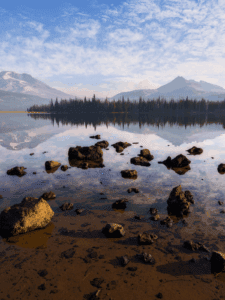
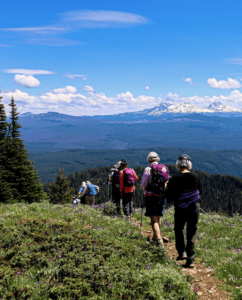
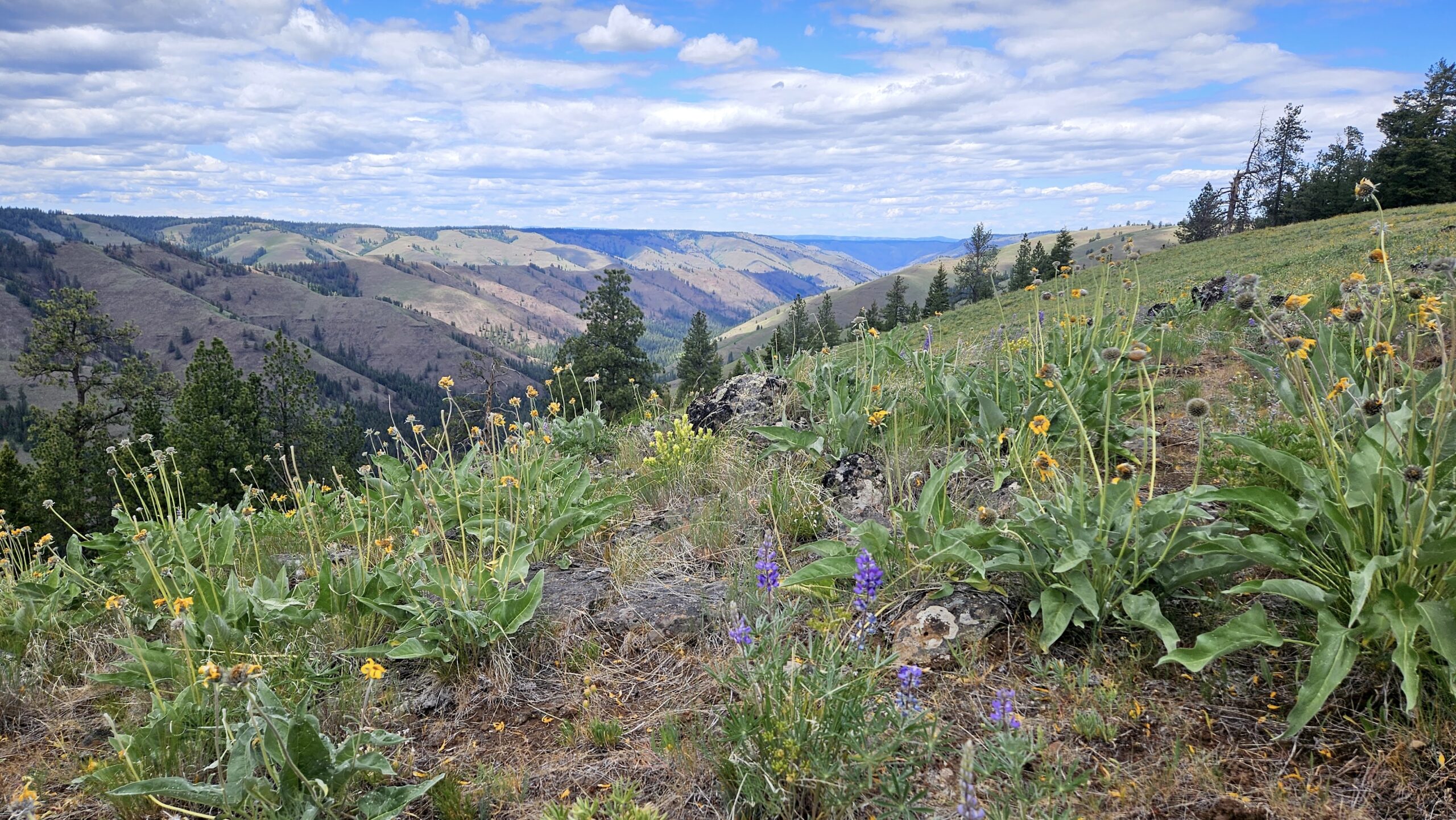
Many of Oregonian’s favorite places are covered by the Roadless Rule, but you might not know it! Have you hiked Iron Mountain during the wildflower bloom? Taken in the forest trail and plateau views on Lookout Mountain in the Ochocos? Walked over blowing sand dunes on the Oregon coast? Paddled on Sparks Lake along Cascade Lakes Highway? Trekked around Lost Lake for the view of Mount Hood? Hiked the Pacific Crest Trail past Olallie Lake or through the Brown Mountain lava flow? Taken in the jaw-dropping view of Hells Canyon? You’ve been to a roadless area!
Things we love about Oregon
Because National Forest roadless areas have not been roaded and developed, they provide us with many important benefits. Take away the Roadless Rule and these benefits dissolve.
- Clean drinking water. Intact and unspoiled roadless forests protect the purity of mountain streams and provide clean and reliable drinking water to approximately 2,000,000 Oregonians across the state.
- Wildlife. Roadless lands provide large areas of unfragmented wildlands that are crucial to the survival of fish and wildlife. Studies show that road building damages wildlife by fragmenting habitat and increasing disturbances such as vehicle use and poaching.
- Outdoor recreation. Oregon’s roadless areas, including Mount Hood, the Columbia River Gorge, the Blue Mountains, Hells Canyon, and the wild Rogue River in the Siskiyou Mountains, offer outstanding opportunities to hike, camp, hunt, fish, view wildlife and more. Their scenic beauty adds to our quality of life and forms a special part of the state’s landscape.
- A thriving economic sector. The unique scenery, backcountry, and fish and wildlife of Oregon’s roadless wildlands draw millions of visitors each year and supports 192,000 jobs. Money spent on travel, lodging, transportation, equipment, food, and guide services adds billions of dollars to the state’s economy, supports several brand-name outdoor recreation equipment and apparel businesses, and supplies a long-term and diverse revenue source for rural communities. Additionally, Oregon’s roadless lands provide protection to several important fish-rearing streams valued by Oregon’s commercial and recreational fishing industries.
- Protection from Wildfire. Although proponents of rolling back the Roadless Rule have suggested that this is somehow being done in response to wildfire, the reality is more roads mean more wildfires. New research from The Wilderness Society, now in peer review, shows that from 1992-2024, wildfires were four times as likely to start in areas with roads than in roadless forest tracts. Another study showed that more than 90 percent of all wildfires nationwide occurred within half a mile of a road.
-
The current attack on wild lands
What is being proposed?
In late June, the U.S. The Secretary of Agriculture announced plans to rescind the 2001 rule. The official notice to rescind the rule was released on August 29, 2025.
What does this mean? This attack is part of this administration’s war on nature and public lands. Coupled with other Trump administration attacks on foundational environmental laws and policies, and direction to ramp up logging in National Forests, this announcement should be met with the understanding that these wild lands are under threat of increased exploitation, putting at risk drinking water for millions, the outdoor recreation economy, increased fire risk, and damage to cultural sites.
What can be done about it?
Oregon Wild and our allies across the state and nation are rallying to defend these places. Over the coming months, we’ll be working hard to defend Roadless Areas through several approaches.
- Show powerful public support by submitting comments and rallying others to speak up during the open comment period.
- Challenge destructive logging projects in Roadless Areas through public processes and litigation.
- Stand ready to fight in the courts to stop any attempt to repeal Roadless protections.
- Push for lasting protections by passing the Roadless Area Conservation Act in the next (and hopefully greener) Congress.
Key Staff
- Sami GodloveCentral Oregon Field Coordinator
- Erik FernandezWilderness Program Manager